
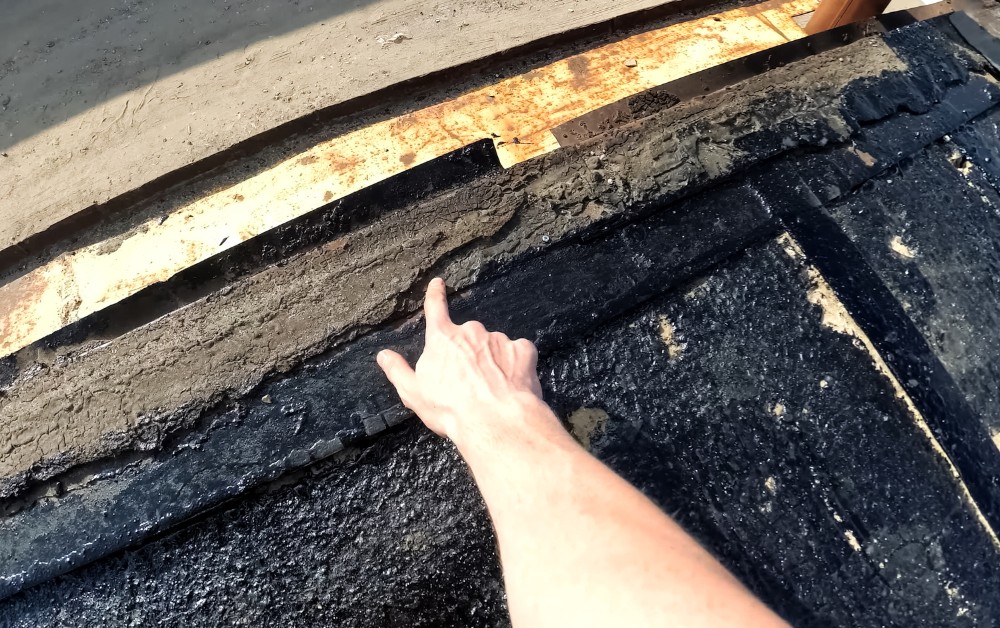
Roof damage doesn’t always announce itself. That storm from three months ago might have cracked shingles, loosened flashing, or compromised seals—but you wouldn’t know it until water starts showing up where it shouldn’t. Understanding why storm damage has a delayed fuse helps you catch problems before they become expensive.
How Wind Damage Stays Hidden
Wind doesn’t need to rip shingles off your roof to cause serious damage. What often happens is subtler—and harder to spot:
- Lifted edges break the adhesive seal between shingle layers
- Loosened nails allow shingles to shift gradually over time
- Bent flashing creates gaps too small to notice from the ground
- Displaced ridge caps expose the highest, most vulnerable point of your roof
A shingle that lifted during a windstorm might stay in place for months. Then a moderate rain hits at the right angle, and suddenly you have water in your attic. The original damage happened during the storm—the leak just took time to develop.
Why Hail Cracks Don’t Leak Right Away
Hail impact creates two types of damage: obvious dents and invisible fractures. The fractures are the problem.
When hail strikes asphalt shingles, it can:
- Bruise the mat beneath the surface granules
- Create micro-cracks in the waterproof layer
- Dislodge granules that expose underlying material to UV rays
- Weaken structural integrity without visible holes
These compromised shingles might hold water out for 6 to 12 months. Then summer sun bakes the cracked areas, winter ice expands in the fractures, and the damaged section finally fails. By the time you see the leak, the original hail damage has been there since last spring.
Metal roofs face similar issues—hail dents can stress protective coatings, leading to rust that develops slowly over subsequent seasons.
Flashing Failures: The Sneaky Culprit
Flashing—the metal pieces sealing joints around chimneys, vents, and roof edges—takes a beating during storms. Yet flashing damage rarely gets noticed during casual inspections.
Common flashing problems after storms:
- Lifted edges where wind got underneath
- Cracked sealant from debris impact or thermal stress
- Shifted positions creating gaps at connection points
- Corroded spots where protective coating was scraped away
Flashing issues often leak only under specific conditions—driving rain from a certain direction, heavy snowmelt, or sustained downpours. You might go months between storms severe enough to expose the problem, making it hard to connect the leak to its original cause.
How Winter Weather Exposes Hidden Damage
If your roof sustained storm damage in spring or summer, winter often reveals it. Here’s why cold weather turns small problems into big ones:
Freeze-thaw cycling is the main culprit:
- Water seeps into hairline cracks during the day
- Overnight freezing expands that water by roughly 9%
- Ice pushes cracks wider with each cycle
- After dozens of cycles, minor damage becomes significant gaps
Ice dams compound the issue:
- Snow melts on warmer roof sections
- Water refreezes at colder eaves
- Ice buildup forces water backward under shingles
- Pre-existing damage gives that water an easy entry point
A roof with undetected storm damage is far more vulnerable to ice dam leaks than an intact roof. The original wind or hail damage creates the opening—winter just exploits it.
Warning Signs That Point Back to Storm Damage
Watch for these symptoms that suggest older storm damage is finally showing itself:
- Leaks during specific conditions (heavy rain, wind from one direction, snowmelt)
- Water stains that grow slowly rather than appearing suddenly
- Granules accumulating in gutters more than previous years
- Attic moisture without obvious roof penetration
- Peeling exterior paint near the roofline
- Higher heating bills suggesting insulation has gotten wet
If these problems started after a significant storm—even months later—the connection is worth investigating.
The Compounding Problem: Why Waiting Makes It Worse
Small storm damage rarely stays small. Here’s the typical progression:
- Initial damage — cracked shingle, lifted flashing, bruised material
- Slow infiltration — water finds its way through during heavy weather
- Hidden moisture — underlayment and decking absorb water without visible signs
- Structural impact — wood rot, mold growth, insulation damage begin
- Visible symptoms — stains, leaks, odors finally appear inside your home
By stage 5, you’re not just fixing the original shingle crack—you’re potentially replacing decking, treating mold, and restoring interior finishes. What might have been a $300 repair becomes a $3,000 project.
When to Call a Roofing Professional
Schedule an inspection if:
- You remember a significant storm in the past 6 to 12 months
- Neighbors have filed roof damage claims recently
- You’re seeing any warning signs listed above
- Your roof is approaching 15+ years old (more vulnerable to storm impact)
- You’re preparing to sell and want documentation of roof condition
An experienced inspector can often trace current problems back to storm events and document the connection for insurance purposes.
The Bottom Line
Storm damage works on a delay. Wind loosens materials without removing them. Hail cracks surfaces without puncturing them. Flashing shifts without obviously failing. These problems sit dormant until weather conditions align to expose them—often months after the original storm.
If you’re seeing roof issues now, think back to storms from the past year. The cause and the symptom may be separated by seasons.
Your Next Steps
- Document current symptoms — photograph stains, note when leaks occur, track any patterns
- Check weather history — look up significant storms in your area over the past 12 months
- Schedule a professional inspection — specifically mention you suspect older storm damage
- Review your insurance policy — understand reporting deadlines and coverage terms
- Act before winter — if possible, address damage before freeze-thaw cycles make it worse
The connection between past storms and present problems isn’t always obvious—but a qualified roofer can usually trace the timeline and help you understand what happened to your roof.