
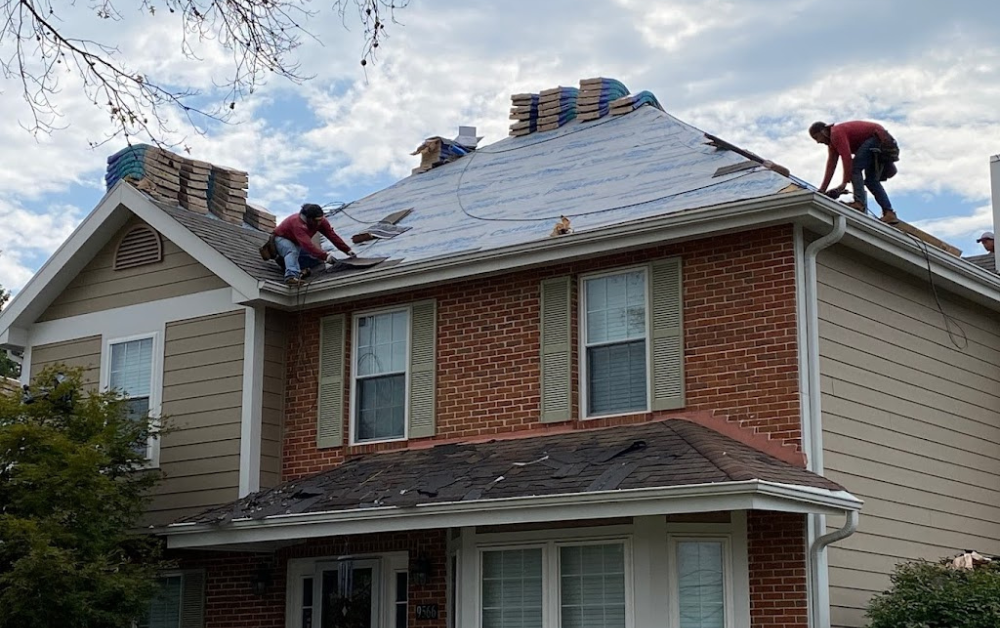
When severe weather strikes St. Louis, homeowners often find themselves facing damaged roofs and the urgent need for repairs. While the desire to get your home protected quickly is completely understandable, the reality of storm repair timelines can be more complex than many property owners anticipate. Understanding the factors that influence repair schedules can help set realistic expectations and reduce frustration during an already stressful time.
At Conner Roofing, we’ve witnessed firsthand how St. Louis’s unpredictable weather patterns can impact repair timelines, and we believe that informed homeowners make better decisions. Let’s explore the various factors that can extend your roofing project timeline and why patience, planning, and clear communication are essential components of successful storm repairs.
The St. Louis Weather Factor: A Constant Variable
St. Louis sits in the heart of tornado alley, where weather patterns can shift dramatically within hours. The region’s location makes it particularly susceptible to severe thunderstorms, hail damage, and high winds that can occur throughout much of the year. These weather events don’t just cause the initial damage—they continue to impact repair schedules long after the storm has passed.
Spring and summer storm seasons bring the most challenging conditions for roofing contractors. From March through August, St. Louis experiences frequent thunderstorms with damaging winds exceeding 60 mph, hail ranging from pea-sized to golf ball-sized, and torrential rainfall that can dump several inches in just a few hours. During peak storm season, a single weather event can damage hundreds of roofs across the metropolitan area, creating an immediate surge in demand for repair services.
Winter weather complications present their set of challenges. Snow, ice, and freezing temperatures make roofing work dangerous and often impossible. Even when temperatures rise above freezing during the day, morning frost and ice can create hazardous working conditions that delay the start of work by several hours.
Unpredictable weather windows mean that even when repairs are scheduled, sudden weather changes can force postponements. A forecast that looks promising in the morning can deteriorate by afternoon, requiring crews to halt work for safety reasons and reschedule for the next available window.
Material Shortages and Supply Chain Realities
Storm events that affect large geographic areas create simultaneous demand spikes that can strain supply chains. When a severe hailstorm damages thousands of roofs across multiple neighborhoods, the sudden need for specific materials can outpace local inventory.
Specialized materials required for certain roof types or architectural styles may need to be ordered from distant manufacturers, adding weeks to project timelines. Custom colors, specific tile styles, or specialized flashing materials don’t always sit in local warehouses waiting for emergency orders.
Quality vs. speed considerations also play a role. While generic materials might be readily available, ensuring that replacement materials match your home’s existing roof in both appearance and performance standards sometimes requires waiting for the right products to arrive.
Safety Cannot Be Rushed
Professional roofing contractors prioritize worker safety above all else, which means some delays are not just unavoidable—they’re necessary. Wet surfaces, high winds, extreme temperatures, and poor visibility all create conditions where roofing work becomes extremely dangerous.
Weather-Related Safety Protocols require contractors to suspend work when wind speeds exceed safe limits, typically around 25-30 mph. Even light rain can make roof surfaces slippery and dangerous, forcing work stoppages until conditions improve.
Proper safety setup takes time and cannot be rushed. Installing safety equipment, setting up scaffolding, and ensuring all crew members have appropriate protective gear are non-negotiable steps that add time to each workday but are essential for preventing accidents.
Insurance and Inspection Delays
The insurance claim process adds another layer of complexity to storm repair timelines. Insurance adjusters often become overwhelmed following major storm events, creating backlogs that can delay claim processing by weeks.
Adjuster availability becomes particularly challenging after widespread storm damage. A single severe weather event can generate thousands of claims, and adjusters must inspect each property individually. This bottleneck effect means that even if your contractor is ready to begin work, you may need to wait for insurance approval.
Documentation requirements ensure that repairs are done correctly and covered appropriately, but they also add time to the process. Proper documentation, permits, and approvals protect both homeowners and contractors but require patience as paperwork moves through various channels.
The Domino Effect of Storm Damage
When severe weather impacts large areas, the effects ripple through the entire roofing industry. A single major hailstorm can create months of backlogged work for local contractors.
Contractor availability becomes stretched thin as reputable companies work to address the surge in demand while maintaining quality standards. Established contractors with excellent reputations often have waiting lists that extend weeks or months during busy periods.
Skilled labor shortages compound the problem, as experienced roofing professionals are in high demand but in limited supply. Quality roofing work requires skilled craftspeople, and rushing to use inexperienced workers often leads to poor results that require costly corrections.
Communication and Planning: Your Best Defense Against Frustration
Understanding these challenges allows homeowners to better prepare for potential delays and work more effectively with their roofing contractors.
Set realistic expectations from the beginning by discussing potential timeline challenges with your contractor. Ask about weather contingencies, material availability, and seasonal demand factors that might affect your project.
Maintain open communication throughout the repair process. Regular updates from your contractor help you understand any changes to the timeline and the reasons behind delays.
Plan for temporary protection while waiting for repairs. Professional contractors can often provide temporary solutions to prevent further damage during extended delays.
Preparing for the Unexpected
Smart homeowners prepare for roofing delays before they become critical. Having realistic expectations and understanding the factors beyond anyone’s control can help reduce stress during the repair process.
Emergency preparedness includes knowing how to protect your home temporarily if repairs are delayed. Understanding basic tarp installation or having emergency contacts ready can help minimize damage during waiting periods.
Seasonal timing awareness helps you understand why certain times of year create longer delays. Spring and fall typically see the highest demand for roofing services, while winter weather creates additional complications.
Working with Weather, Not Against It
Successful storm repairs require patience, understanding, and partnership between homeowners and contractors. While delays can be frustrating, they often reflect the careful, professional approach necessary for lasting repairs.
Quality roofing work cannot be rushed, and weather will always be a factor in outdoor construction projects. The contractors who prioritize safety, use quality materials, and maintain clear communication are often the same ones who experience weather-related delays—because they refuse to compromise on standards.
Your Partner Through the Process
At Conner Roofing, we understand the stress that comes with storm damage and repair delays. Our commitment to clear communication, realistic timeline estimates, and quality workmanship has helped countless St. Louis homeowners overcome the obstacles associated with storm repairs.
Are you ready to discuss your roofing needs?
Contact Conner Roofing today for a thorough assessment of your storm damage and a realistic timeline for repairs. Our experienced team will work with you to develop a repair plan that accounts for weather challenges, material requirements, and your family’s needs. Don’t let storm damage linger—call us now to schedule your consultation and take the first step toward protecting your home with professional, reliable roofing services.