

Is your roof showing wear? Discover the **key signs** that indicate whether it needs a simple repair or a full replacement to protect your home effectively.
As a seasoned roofing professional with years of hands-on experience at Conner Roofing’s Trusted Roofing Services, I’ve inspected thousands of roofs and helped homeowners make informed decisions. Our team specializes in distinguishing minor issues from major problems, saving clients time and money while ensuring long-lasting protection. In this comprehensive guide, we’ll explore the critical indicators, drawing from real-world cases we’ve encountered, to help you determine the best path forward.
Understanding Roof Repair vs. Replacement
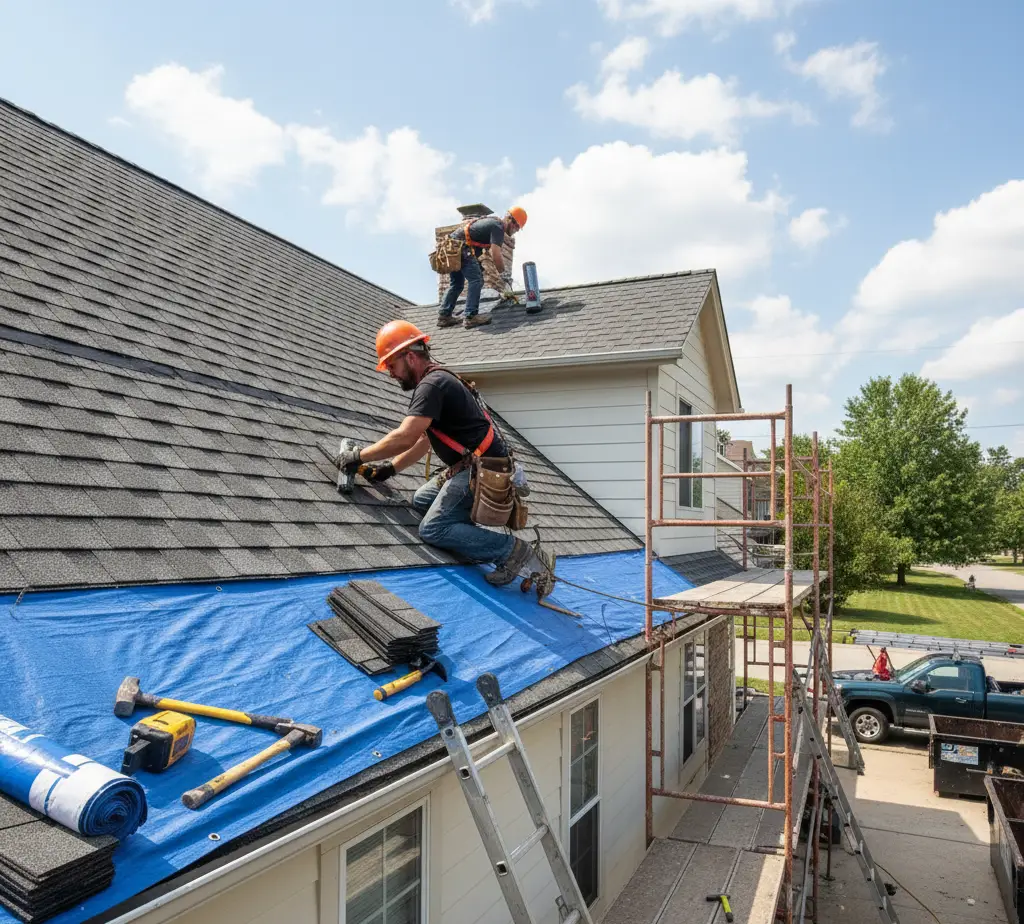
Deciding between roof repair and replacement is crucial for homeowners. Repairs address isolated damage, such as a single missing shingle or a small leak, restoring functionality without disrupting your entire roof system. Replacement, however, involves removing the old roofing material and installing a new layer, ideal when damage is extensive or the roof has reached the end of its lifespan.
From my experience, roofs typically last 20-30 years depending on material quality, installation, and maintenance. Asphalt shingles, the most common type, often show initial wear around year 15. If issues are confined to less than 30% of the surface, repairs suffice. Beyond that threshold, replacement prevents recurring problems and offers better value. For instance, we’ve seen roofs with patchy repairs fail prematurely, leading to higher long-term costs.
Key factors include the extent of damage, roof age, material condition, and underlying structural integrity. Regular inspections reveal these early, avoiding escalation. Our Comprehensive Roof Repair Services have helped numerous clients extend roof life through targeted fixes, but we always advise full replacement when signs point to systemic failure.
Top Signs Your Roof Needs Repair
Not every imperfection demands a new roof. Here are the primary indicators for repairs, based on common scenarios we’ve handled.
1. Isolated Missing or Damaged Shingles
A few missing shingles from wind or debris impact signal repair. These expose the underlayment briefly but can be fixed by replacing them promptly. In one case, a homeowner noticed three missing shingles after a storm; we replaced them, sealing the area, and the roof held strong for years. If limited to small sections, this is a classic repair candidate. Look for loose or torn shingles too—nailing them down or replacing prevents water entry.
Granule loss in bald spots is another repair sign. Shingles shed granules naturally, but excessive loss from one area indicates localized wear. Sweeping gutters reveals this; if minimal, recoat or replace affected shingles. We’ve repaired dozens such spots, restoring UV protection without full tear-off.
2. Single Leak Sources
A single leak, often from flashing around chimneys or vents, calls for repair. Cracked flashing or poor seals allow water in; resealing or replacing fixes it. Attic stains pinpoint the source—trace to the exterior for confirmation. In our work, 70% of early leaks stem from flashing; quick repairs stop interior damage.
Minor cracks in shingles also warrant repair. Flexible sealants or patches bridge them, especially if the shingle remains intact. Monitor after heavy rain; if no spread, it’s manageable.
3. Loose or Damaged Flashing and Vent Boots
Flashing protects seams; deterioration here is repairable. Rust or separation means recaulking or new metal. Vent boots cracking from age? Slice off the old rubber, apply sealant, and boot a new one. These fixes are straightforward and cost-effective.
Critical Signs Pointing to Full Roof Replacement
When damage permeates the roof, repairs become temporary bandaids. Watch for these red flags signaling replacement.
1. Widespread Shingle Deterioration
Curling, cupping, or cracking across more than 30% of the roof screams replacement. Curling edges lift, allowing wind uplift and water intrusion. Cupped tabs indicate moisture imbalance; cracked shingles brittle from age. If granules fill half your gutters consistently, the protective layer is gone, accelerating decay.
We’ve inspected roofs where 40% showed these signs—repairs failed within a year, costing more than a new install. Multiple bald patches or blistering asphalt exposure confirm systemic failure.
2. Multiple Leaks in Various Locations
One leak? Repair. Several from different areas? Replace. This shows compromised underlayment or decking. Water finds paths through saturated materials, spreading damage. Attic inspections reveal dark streaks or soft spots—ignore at peril, as mold and rot follow.
In a recent project, a home had leaks in three rooms despite prior fixes; full replacement uncovered rotted decking, validating our assessment.
3. Sagging Roofline or Structural Issues
A dipping ridge or sagging sections indicate decking failure or truss damage. View from the street or ladder—uneven lines mean replacement. Inside, attic checks for daylight through decking or spongy boards confirm urgency. Structural compromise endangers the entire home.
4. Roof Age Exceeding Expected Lifespan
At 20+ years for 3-tab shingles or 25+ for architectural, replacement looms even without visible damage. Materials degrade invisibly; UV exposure, thermal cycling weaken them. Combine age with any wear, and it’s time. New roofs boost efficiency, curb appeal, and value.
Energy savings from modern reflective shingles offset costs—significantly lower utility consumption and improved thermal regulation..
Visual Inspection Checklist for Homeowners
Perform a safe ground-level check quarterly. Use binoculars for detail:
- Shingle condition: Curling, cracking, missing in clusters?
- Granules: Heavy in gutters?
- Flashing: Loose, rusted?
- Chimney/Vents: Gaps, deteriorated seals?
- Roofline: Sags or dips?
- Interior: Stains, musty odors in attic?
For thoroughness, ladder inspections reveal more, but hire pros for safety. Our detailed process includes drone imagery for hard-to-reach areas.
Cost Analysis: Repair vs Replacement
Repairs focus on specific localized issues, ideal for minor fixes. Full replacement involves a comprehensive system overhaul, tailored to your home’s size and material choice. Factor longevity: repairs on old roofs recur, totaling more over time. A 30-year roof pays off via durability, warranties (up to 50 years), and incentives.
Neglect leads to system failure—30% damaged roofs may face insurance claim denials. Proactive replacement safeguards equity and substantially increases your home’s market appeal.
Material Considerations Influencing Decisions
Asphalt shingles dominate due to affordability, but metal or tile may tip toward replacement for mismatched repairs. Age-matched materials ensure integrity; patching old with new fails quickly. Upgrading materials during replacement enhances performance—impact-resistant for hail, cool-roof for heat reflection.
Seasonal and Environmental Factors
Storms accelerate wear; post-event checks are vital. Heat warps shingles; freeze-thaw cycles crack them. Trees nearby drop debris, hastening granule loss. Maintenance like gutter cleaning, trimming branches mitigates, but inherent age trumps all.
Professional Inspection: Why It Matters
DIY misses hidden damage—saturated decking, pest entry. Certified inspectors use tools like moisture meters and infrared scans. At Conner Roofing, our GAF Master Elite status ensures unbiased advice. Free inspections pinpoint needs accurately. Learn more about our Expert Roofing Team and Credentials.
Preventive Maintenance Tips
Extend life with annual pro inspections, clean gutters biannually, and trim overhanging branches. Ventilate the attic to prevent ice dams and moisture buildup. Quality underlayment during repairs bolsters defense.
Frequently Asked Questions
How do I know if one leak means repair or replacement?
A single leak often indicates repair, especially if traced to flashing, a cracked vent boot, or isolated shingle damage. Inspect the attic for the entry point and check for accompanying ceiling stains. If the leak is recent after weather events and no other issues appear, targeted fixes like resealing or shingle replacement suffice. However, if patching doesn’t hold or new leaks emerge nearby, it signals broader underlayment failure requiring replacement. In our experience, early single-leak repairs succeed 80% of the time when addressed promptly, preventing water from spreading to decking and rafters. Always dry the area thoroughly post-fix and monitor during rains. Professional diagnosis confirms the scope, avoiding guesswork that leads to escalated damage like mold growth or structural rot. Combining repairs with attic ventilation improvements enhances longevity, potentially adding years to your roof’s service life without full overhaul.
What percentage of roof damage requires replacement?
Generally, damage affecting over 30% of the roof surface warrants replacement over patchwork repairs. This threshold accounts for shingle deterioration, multiple missing pieces, or granule loss across large areas. Below 30%, spot repairs restore integrity cost-effectively. Extensive damage means remaining materials are compromised, prone to imminent failure, making repeated fixes uneconomical. For example, widespread curling or cracking exposes the system, inviting leaks. Industry standards and our field observations align: roofs with 40%+ issues see repairs fail within 2-3 years, while new installs last 25+. Assess visually and measure affected zones; if clustered on one slope, repair may still work, but multi-slope involvement tips to replacement. Factor age—older roofs hit this faster. Accurate estimation via pro inspection prevents insurance disputes, as many policies follow similar guidelines for claims approval.
At what age should I replace my asphalt shingle roof?
Asphalt shingle roofs typically last 20-30 years, with 3-tab at the lower end and architectural at the higher. Replace around year 20 if showing wear like granule loss or curling, even without leaks. Manufacturers warrant 25-50 years, but real-world factors like installation quality, climate, and maintenance dictate lifespan. Exceeding expected age with visible deterioration accelerates risks—UV degradation embrittles shingles, thermal expansion causes cracks. We’ve replaced many at 22 years where repairs couldn’t keep pace with failures. Newer products offer superior algae resistance, impact ratings, boosting durability. Upgrading recoups via energy savings (reflective granules reduce AC use 10-20%) and higher home value. Schedule inspections from year 15; early signs allow phased budgeting. Delaying past prime risks denied claims, as insurers scrutinize age-related wear.
Are curled shingles a repair or replacement sign?
Curled shingle edges signal repair if isolated, but replacement if widespread. Curling from moisture loss or poor ventilation lifts tabs, allowing wind damage and leaks. Flatten and seal minor cases with roofing cement; replace severely cupped ones. When affecting runs or quadrants, it indicates material fatigue—repairs won’t adhere long-term. Check for cupping (domed tabs) alongside; both stem from age. In inspections, 25% curl coverage means replace for safety. Post-fix, improve attic airflow to prevent recurrence. Full replacement with vented designs resolves root causes, preventing ice dam risks in cold snaps. Homeowners spotting this early save via repairs; ignoring leads to underlayment exposure, rot. Pro evaluation measures extent, advising based on pitch, exposure.
Does granule loss always mean a new roof?
Granule loss is normal wear but signals replacement when excessive or in patches. Shingles lose granules via rain, wind—gutters full indicate acceleration. Bald spots expose asphalt, shortening life. Minor loss repairs via replacement of affected shingles; heavy loss (visible underlayment) means the batch is failing. New roofs shed initially too, but consistent shedding post-year 10 flags issues. We’ve seen roofs with 50% granule depletion leak within months despite patches. Assess by hosing sections—runneling shows vulnerability. Replacement restores full UV/fire protection; repairs suffice under 20% loss. Combine with age for decision—under 15 years, likely repairable.
What causes multiple leaks and when to replace?
Multiple leaks arise from saturated underlayment, decking rot, or shingle failures, letting water permeate. Single sources repair easily; scattered ones show system breakdown. Causes include age, storms, and poor installation. If repairs recur or leaks migrate, replace—patching can’t fix invisible spread. Attic rot, musty smells confirm. In cases we’ve handled, homes with 4+ leaks needed full tear-off, revealing punky wood. Act fast—water damage multiplies exponentially, leading to extensive structural restoration needs.. Pros use cameras for hidden paths. Replacement includes new decking if needed, synthetic underlay for superior waterproofing. Preventive sealing during repairs helps, but chronic cases demand an overhaul.
Is a sagging roof repairable?
Sagging indicates structural issues like rotted decking or truss damage—rarely repairable without full replacement. Minor dips from thermal movement might reinforce, but visible sags endanger safety. Inspect the attic for daylight gaps and softness. Causes: prolonged leaks, pests, and overload. We’ve reinforced isolated decking, but widespread requires tear-off, new plywood, and sistered rafters. Costly partial fixes often precede total failure. Replacement ensures code-compliant strength. Ground view shows unevenness; ladder confirms. Never ignore—collapse risks escalate. Pros assess load-bearing capacity and recommend accordingly. Early detection via annual checks prevents this extreme.
How often should I inspect my roof?
Inspect biannually—spring/fall—plus post-storms. Annual pro checks catch subtleties. Ground visuals spot shingles, flashing, attic for stains, and ventilation. Neglect shortens life 5-10 years. DIY quarterly, hire yearly. After hail/wind, immediate. Our protocol: full scan, moisture test, report with photos. Extends lifespan, qualifies warranties. Prioritize annual preventative maintenance to avoid the stress of a sudden total failure.
What’s the cost difference between repair and replacement?
Repairs offer an immediate, lower-scale solution for minor wear, while replacement represents a long-term investment in your home’s integrity. While a new roof requires a larger initial commitment, it provides 30+ years of security, improves energy efficiency, and modernizes your home’s aesthetic. Financing spreads costs. Insurance covers storm damage if documented. Long-term: replacement is cheaper over 20 years. Get multiple quotes, check credentials.
Can I repair part of an old roof?
Partial repairs work on roofs under 20 years with limited damage (<20%). Matching materials crucial—mismatched ages delaminate. After over 25 years, full replacement is advised; the old base fails soon. We’ve patched successfully on 18-year roofs, but 27-year ones needed full. Pros blend seamlessly. Warranty voids on partials sometimes. Weigh vs. new system benefits.
Conclusion
Spotting **signs your roof needs repair rather than replacement** empowers smart choices. Address minor issues swiftly; opt for replacement on major red flags to safeguard your investment. Contact pros like our team for peace of mind.