
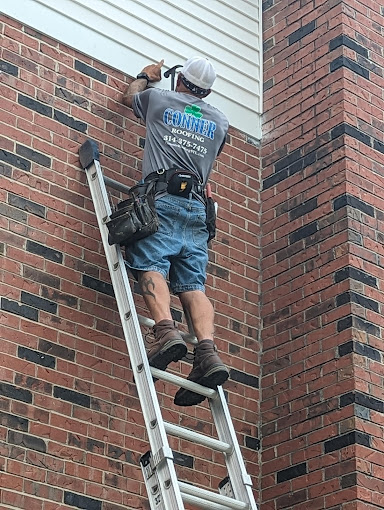
Understanding how long a typical roof repair takes is essential for homeowners planning their maintenance schedule and budget. Roof repairs vary widely in duration, from a few hours for minor fixes to several days for more extensive damage, depending on factors like the scope of work, roof size, material type, and weather conditions.
With years of hands-on experience in the roofing industry, we’ve seen countless projects where timing makes all the difference. Minor shingle replacements might wrap up in 1-4 hours, while addressing leaks or decking issues could extend to 1-3 days. This comprehensive guide breaks down timelines, influencing factors, and tips to expedite the process, drawing from real-world projects to help you set realistic expectations.
Why Roof Repair Timing Matters for Homeowners
Roof repairs aren’t just about fixing visible damage; they’re about preventing costlier issues down the line. A small leak ignored can lead to water damage in your attic, mold growth, or structural weakening. Knowing the expected duration helps you prepare your home, arrange temporary coverings if needed, and minimize disruption to your daily life. For instance, scheduling a repair during weekdays allows crews to work efficiently without weekend premiums.
From our experience handling diverse roofing challenges, we’ve learned that proactive repairs save time overall. A typical repair might seem straightforward, but underlying issues like poor ventilation or aging flashing often add hours or days. By understanding these elements, you can communicate effectively with professionals and ensure the job is done right the first time.
Professional teams prioritize safety and quality, which inherently influences timelines. Rushing a job risks subpar results, so experienced contractors balance speed with precision. This approach not only extends the life of your repair often 10-15 years with proper maintenance but also protects your investment.
Factors Influencing How Long Roof Repairs Take
Several key variables determine the duration of a roof repair. Let’s dive into the most common ones, backed by practical insights from numerous jobs.
1. Scope and Type of Repair
The nature of the damage is the primary driver of time. Simple tasks like replacing a few missing or damaged shingles typically take 1-4 hours. This involves climbing the roof, removing old materials, applying new shingles, and sealing everything properly. We’ve completed many such jobs before lunch, allowing homeowners to resume normal activities quickly.
More involved repairs, such as patching a small leak, require 2-4 hours. This entails locating the source often under shingles or around penetrations drying the area, and installing patches or sealants. If water has saturated the underlayment, additional drying time or replacement pushes it toward a full day.
Repairing flashing around chimneys or vents takes 3-6 hours. Flashing prevents water intrusion at joints, and damaged sections demand precise cutting, bending, and soldering of new metal. Complexity arises if multiple layers need removal.
Gutter repairs or replacements span 4-8 hours, depending on sections affected. Damaged gutters can cause cascading issues like foundation erosion, so thorough inspection adds time but prevents recurrence.
Roof decking repairs vary widely based on damage extent. Minor plywood patches might take half a day, but widespread rot could extend to multiple days, involving removal of shingles, replacement of boards, and reinstallation.
2. Roof Size and Complexity
Larger roofs naturally demand more time. A standard 1,500-2,000 square foot home might see minor repairs in hours, but expansive or multi-story roofs multiply that by the surface area. Complex designs with steep pitches, multiple valleys, dormers, or skylights slow progress due to additional safety measures and precise material handling.
For example, a simple gable roof allows quick access, while a mansard or hip roof with intricate angles requires scaffolding or specialized equipment, adding setup time. We’ve found that roofs over 3,000 square feet often split repairs into phases to maintain weatherproofing.
3. Roofing Material Type
Materials dictate installation speed. Asphalt shingles, the most common, repair swiftly 1-4 hours for small areas due to their lightweight, interlocking design. Metal roofing takes longer, 2-4 hours per section, as panels need custom fitting and sealing.
Tile or slate roofs are labor-intensive, often 4-8 hours for replacements, given their weight and fragility. Each tile must be carefully removed and matched. Wooden shakes add time for treatment against rot, typically 3-6 hours.
Synthetic materials mimic slate but install faster, around 2-4 hours, balancing durability and ease. Flat roofs with membrane systems might take 4-8 hours, involving torch-down or adhesive applications that cure.
4. Weather Conditions
Weather is unpredictable but impactful. Rain delays work to avoid slippage hazards and ensure adhesives bond properly. High winds complicate material transport, while extreme heat fatigues crews, slowing pace. Ideal conditions mild, dry days keep projects on track.
In adverse weather, tarps or temporary seals protect the site, adding 1-2 hours. We’ve rescheduled jobs for safety, emphasizing that quality trumps speed.
5. Crew Size and Expertise
A larger, skilled crew accelerates repairs. Two-person teams handle minor jobs in hours; four-to-six-person teams tackle complex ones in a day. Expertise matters veterans diagnose issues faster, reducing trial-and-error.
From our projects, coordinated teams with specialized tools like nail guns and infrared leak detectors cut time significantly. Always choose licensed, insured pros with proven track records.
6. Accessibility and Preparation
Easy roof access speeds everything. Obstructed paths by trees, power lines, or tight lots add setup time. Home preparation like clearing yards helps too. Interior access for attic inspections can extend timelines if damage spreads below.
Permits, if required for structural work, add days upfront but ensure compliance.
Typical Timelines for Common Roof Repairs
Here’s a breakdown of average durations based on extensive field experience:
- Shingle Replacement: 1-4 hours. Quick for 5-10 shingles; longer for larger patches.
- Leak Patching: 2-4 hours. Includes source identification and sealing.
- Chimney Flashing Repair: 3-6 hours. Precision work around masonry.
- Gutter Fixes: 4-8 hours. Full section replacements take most time.
- Decking Repair: 4 hours to 2 days. Depends on rot spread.
- Ventilation Improvements: 1-2 days. Involves ridge vents or fans.
- Sagging Roof Correction: 2-4 days. Structural reinforcements needed.
These are averages; inspections refine estimates. For reliable service, check out our Comprehensive Roof Repair Services Guide for detailed approaches.
Preparation Tips to Minimize Repair Time
Streamline your project with these steps:
- Schedule inspections early to catch issues.
- Clear the area around your home.
- Choose matching materials in advance.
- Opt for off-peak seasons.
- Communicate needs clearly with your contractor.
Prepared homes see 20-30% faster completions. Document damage with photos for accurate quotes.
Cost Considerations Tied to Repair Duration
Time correlates with cost. Hourly jobs for minor fixes range affordably, while multi-day projects add labor fees. Preventive maintenance cuts long-term expenses. Expect minor repairs at lower rates, scaling with complexity.
Investing in quality extends repair longevity to 10-15 years, amortizing costs effectively.
For trusted expertise, visit the Expert Conner Roofing Services Homepage to learn about our commitment to efficient, high-quality work.
Signs Your Roof Needs Immediate Repair
Don’t wait for disasters. Watch for:
- Missing or curling shingles.
- Granule loss in gutters.
- Interior water stains.
- Daylight through roof boards.
- Sagging areas.
Early action keeps repairs short and inexpensive. Annual inspections catch these early.
DIY vs. Professional Repairs: Time and Risk Comparison
DIY appeals for savings but risks time overruns and safety issues. Pros average 1-4 hours for shingles; DIYers take days learning curves. Heights, tools, and warranties favor professionals. For complex jobs, always hire experts see our Professional Roof Replacement Options for reliable solutions.
Post-Repair Maintenance for Longevity
Extend repair life with:
- Quarterly visual checks.
- Gutter cleaning twice yearly.
- Trimming overhanging branches.
- Professional inspections every 3-5 years.
These habits add years, delaying major work.
When Repairs Turn into Replacements
If damage exceeds 25% of roof life, replacement saves time long-term. Repairs patch symptoms; replacements address roots. Assess with pros for best path.
Frequently Asked Questions
How long does a typical shingle replacement take?
Replacing a few damaged asphalt shingles usually takes 1-4 hours for a professional crew. This includes safely accessing the roof, removing old shingles, cleaning the area, installing new ones with proper nailing patterns, and applying sealant for waterproofing. Factors like roof pitch and weather can adjust this slightly, but experienced teams complete it efficiently. For larger areas, say 20-50 shingles, expect 4-8 hours to ensure matching and integration. Always prioritize pros over DIY to avoid extended timelines from errors or safety halts. Proper execution ensures the repair lasts 10-15 years with maintenance, preventing leaks and granule loss issues down the line. Matching shingle color and style maintains aesthetics too.
How long to repair a roof leak?
A standard roof leak repair spans 2-4 hours to 1-3 days, depending on cause and extent. Simple patches around nails take hours: locate via infrared if needed, seal, and test. Saturated decking requires shingle removal, drying, patching plywood, and reinstallation often a full day. Complex leaks from valleys or flashing extend to days for full exposure and replacement. Pros use moisture meters for accuracy, avoiding guesswork that prolongs jobs. Post-repair, monitor for recurrence. Early detection via stains or drips keeps it short. With quality materials like ice-and-water shields, repairs endure harsh weather. Homeowners save by acting fast, as delays amplify damage and time. Professional assessment provides precise quotes.
What is the timeline for chimney flashing repair?
Chimney flashing repairs typically require 3-6 hours. This involves inspecting seals, removing deteriorated metal, cleaning masonry, fabricating new flashing (copper or aluminum), installing with solder or sealant, and reintegrating shingles. Steep roofs or multi-flue chimneys add time for safety harnesses. Poor prior work might necessitate base rebuilds, pushing to 8 hours. Benefits include preventing interior leaks and mortar erosion. Pros ensure code compliant overlaps. Regular checks catch issues early, shortening future jobs. Materials chosen match roof style for seamless look. This repair bolsters overall roof integrity, lasting decades with care. Schedule during dry weather for best results.
How long do gutter repairs take?
Gutter repairs or replacements take 4-8 hours per section. Minor fixes like resealing joints or patching holes wrap in 2-4 hours. Full section swaps, involving removal, new installation, secure hanging, and downspout alignment, hit 6-8 hours. Extensive damage across multiple stories extends to a day with ladder work. Seamless gutters pour on site, adding curing time. Proper slope ensures drainage, preventing backups. Pros use levels and sealants for longevity. Clogged systems compound issues, so combine with cleaning. This maintains foundation health and roof performance. Quality work withstands storms, reducing repeat visits.
How much time for roof decking repairs?
Roof decking repairs depend on damage: 4-8 hours for small areas, up to 2 days for widespread rot. Process: remove shingles, cut out bad plywood, sister new boards, treat edges, reinstall underlayment and shingles. Attic access checks joists. Moisture sources like vents fixed concurrently. Larger spans need engineering for load bearing. Pros use OSB or plywood matches, ensuring ventilation. This structural fix prevents sagging and collapses. Post-repair, improved airflow extends life. Early mold spotting via inspections minimizes scope. Expect temporary tarps during multi-day work. Vital for safety and insurance.
Does weather affect roof repair duration?
Yes, weather significantly impacts timelines. Rain halts work for slip risks and poor adhesion delays 1-3 days. Wind hinders material handling; extremes pause for safety. Heat slows crews, extending hours. Ideal: 50-80°F, dry, calm. Wet conditions need drying, adding time. Pros monitor forecasts, tarp exposed areas. Emergency tarps buy time but aren’t permanent. Schedule spring/fall for reliability. Climate resilient materials shorten future disruptions. Preparation like de-humidifiers aids indoor leaks. Understanding this sets realistic expectations, avoiding frustration. Quality crews adapt without compromising standards.
How does roof size influence repair time?
Roof size directly scales time: small (under 1,000 sq ft) repairs in 1-2 hours; average homes (1,500-2,500 sq ft) 4-8 hours; large (over 3,000 sq ft) 1-3 days. More area means more material handling, access points. Split into zones for efficiency. Measure via plans or drones for quotes. Complex add ons like dormers multiply by 1.5-2x. Pros optimize crew paths. Larger roofs benefit phased repairs, maintaining protection. Cost per square rises slightly with scale due to logistics. Accurate sizing upfront prevents surprises.
What’s the average time for minor roof repairs?
Most minor repairs like shingles, flashing, small leaks finish in 1-5 hours. Crews arrive equipped, diagnose, execute, cleanup. Efficiency from tools like pneumatic nailers. Matching materials pre-sourced avoids delays. Safety checks add 15-30 minutes. Post-job walkthrough ensures satisfaction. These quick fixes restore integrity fast, minimizing exposure. Compare to major overhauls at days/weeks. Regular upkeep keeps issues minor. Pros provide warranties, adding value. Homeowners resume use same day.
Can roof repairs be done in one day?
Yes, 70-80% of typical repairs complete in one day. Minor to moderate scopes suit 6-8 hour shifts. Extensive decking or multiples push overnight. Factors: dawn starts, full crews, good weather. Phased for vulnerables. Pros aim single day for convenience. Prep accelerates. Communication confirms scope. Results: weather-tight, clean site. Exceeding warrants updates. Builds trust.
How long do roof repairs last after completion?
Quality repairs endure 10-15 years, varying by type/material/maintenance. Shingles match roof life; flashing decades. Neglect shortens via wear. Annual checks, cleaning extend. Warranties 5-10 years. Proactive habits maximize ROI. Monitor post-storm.
Conclusion
Mastering how long a typical roof repair takes empowers informed decisions. From hours for shingles to days for decking, factors like scope and weather dictate pace. Partner with experts for efficiency and durability. Act promptly to safeguard your home.