
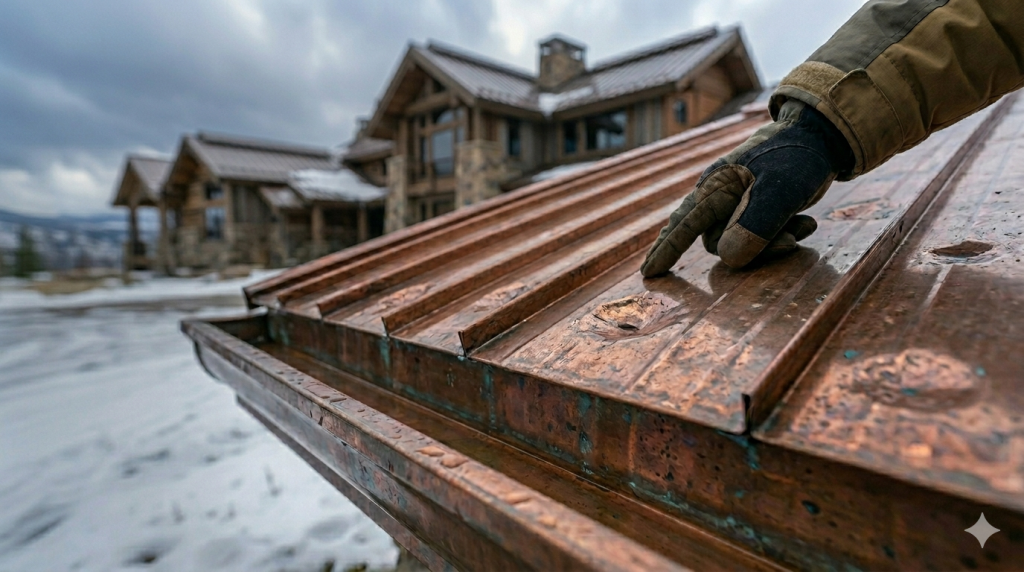
Most homeowners assume that if their roof isn’t leaking after a hailstorm, it must be fine. That assumption is one of the most expensive mistakes in home maintenance. Hail doesn’t have to punch a hole through your shingles to cause serious damage — it works slowly, weakening materials from the outside in until small problems become structural failures months later.
How Hail Bruises Shingles Without Creating Obvious Leaks
Asphalt shingles are built in layers. The top surface is coated with ceramic granules that shield the underlying asphalt mat from UV rays and moisture. Beneath that mat sits your roof deck — the plywood or OSB sheathing that forms the actual barrier between your home and the elements.
When hailstones strike, they don’t always crack or tear the shingle. More often, they fracture the fiberglass mat underneath the granule layer. Think of it like a bruise on an apple — the skin looks fine, but the flesh beneath is damaged and deteriorating.
This type of impact does three things over time:
- Displaces protective granules, exposing the asphalt to direct sunlight. UV radiation accelerates aging, causing shingles to dry out, curl, and crack far earlier than their rated lifespan.
- Fractures the fiberglass reinforcement mat, creating flexible weak points that expand and contract with temperature swings until water finds its way underneath.
- Compresses the waterproofing layer, reducing the shingle’s ability to shed water. Moisture begins wicking through the material rather than rolling off.
None of these problems produce an immediate leak. That’s exactly what makes them dangerous.
Damage to Flashing, Vents, and Gutters
Shingles get most of the attention after hail, but some of the most costly damage happens to the metal and rubber parts of your roofing system — areas already most vulnerable to water intrusion under normal conditions.
Roof flashing — the thin metal strips sealing joints around chimneys, walls, and valleys — dents easily on impact. A dented section can lift from the surface it’s meant to protect, creating a gap where wind-driven rain enters. These gaps often hide under shingle edges or behind chimney walls.
Pipe boots and vent covers are made of rubber or thin metal. Hail cracks rubber seals and bends metal housings. A cracked pipe boot won’t leak during light rain, but during the next heavy downpour, water follows the pipe straight into your attic.
Gutters and downspouts suffer more than cosmetic dents. Hail impacts disrupt water flow by creating low spots where standing water collects, backs up under the roof edge, and saturates fascia boards — eventually rotting the soffit.
A single hailstorm can compromise all three systems simultaneously without producing a visible interior leak for months.
Why Delayed Repairs Lead to Larger Structural Issues
Roof damage doesn’t pause while you decide what to do about it. Every rain, freeze-thaw cycle, and wind event after a hailstorm pushes weakened materials closer to failure.
Months 1 through 6: Granule loss accelerates shingle aging. Fractured mats absorb small amounts of moisture. Cracked vent boots allow minor intrusion during heavy rains. No visible interior signs yet.
Months 6 through 12: Moisture trapped beneath damaged shingles promotes mold growth on the roof deck. Wood sheathing starts to soften. Fascia behind dented gutters shows early rot. You might notice a faint musty smell in the attic.
Months 12 through 24: Softened decking sags underfoot. Interior ceiling stains appear. Mold spreads to insulation and wall cavities. What started as a $500 shingle repair now involves deck replacement, mold remediation, and drywall work — costs that can climb into the tens of thousands.
The gap between “targeted repair” and “full tear-off” is usually just a matter of how long the problem sat untreated.
What a Professional Hail Assessment Actually Reveals
A proper hail inspection goes far beyond a glance from the driveway. A qualified inspector will:
- Test shingles by hand to identify soft spots, mat fractures, and granule displacement invisible from standing height
- Examine all flashing joints for dents, lifted edges, and seal failures
- Inspect every pipe boot and vent cover for cracks and warping
- Assess gutter alignment and drainage-altering dents
- Photograph and document findings with measurements that align with insurance claim criteria
This documentation matters. Insurance adjusters use specific standards to determine whether hail damage qualifies for a claim, and a professional report with clear evidence significantly strengthens your case.
The Bottom Line: Invisible Damage Is Still Real Damage
Hail doesn’t have to break through your roof to cost you money. The bruised shingles, dented flashing, and cracked vent boots it leaves behind create a countdown toward bigger problems.
Use this framework to decide your next move:
- If your area experienced hail of any size, schedule a professional inspection — even if your roof looks normal
- If your roof is more than 10 years old, hail damage is more severe because aged shingles have less flexibility to absorb strikes
- If you’ve had hail in consecutive seasons without an inspection, the cumulative effect is likely worse than any single event
Waiting for a leak to appear before calling a roofer is like waiting for engine smoke before checking your oil. By then, the easy fix is long gone.
Next Steps
Don’t assume your roof is fine just because it isn’t leaking. If your neighborhood has experienced hail in the past two years, an inspection is worth your time.
Conner Roofing provides free hail damage assessments for homeowners across the St. Louis metro area, backed by over 30 years of storm damage experience. Call (314) 375-7475 or visit connerroofing.com/contact-us to schedule yours.