
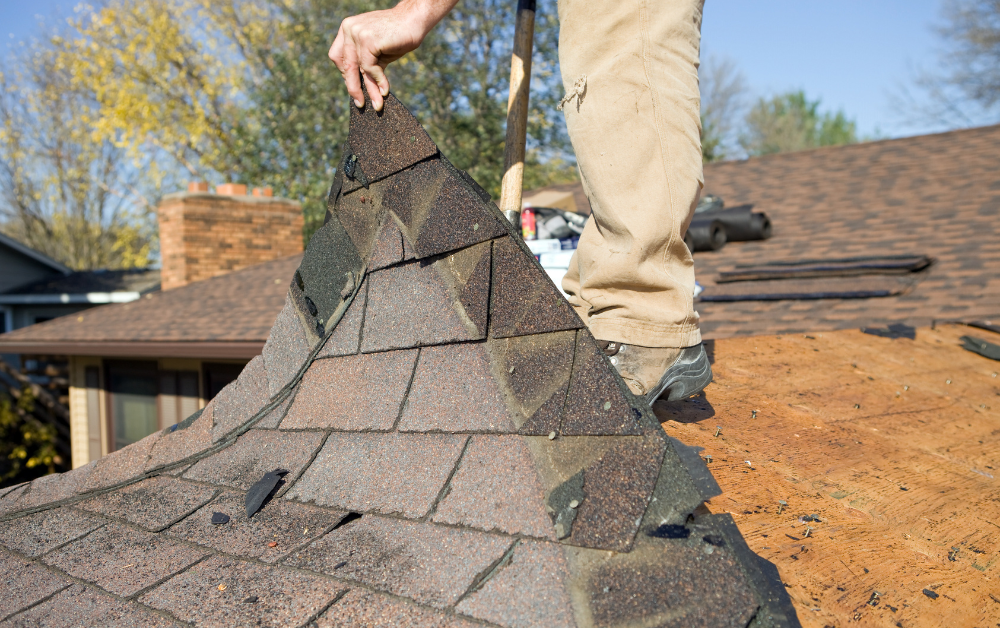
The short answer: Yes. Storm damage doesn’t come with an expiration date. Many homeowners discover roof problems 3, 6, or even 12 months after a major storm—and in most cases, repairs are still possible. The critical first step is a professional inspection to confirm the damage originated from the storm and assess what repairs are needed.
Why Storm Damage Takes Time to Show Up
Not all roof damage is obvious. Hail might crack shingles without knocking them loose. Wind can lift flashing or break the seal between shingle layers. These problems don’t always leak immediately.
Here’s what typically happens over time:
- Cracked shingles allow slow water infiltration that accumulates in your decking
- Compromised flashing creates gaps that widen with temperature changes
- Loosened granules expose underlying materials to UV degradation
- Shifted shingles create vulnerabilities that worsen with subsequent storms
A roof that looked fine after a storm can start leaking 6 months later when that initial crack finally works its way through the underlayment.
Signs You Have Hidden Storm Damage
Watch for these warning signs in the weeks and months after any significant storm:
- Water stains on ceilings or walls (especially after rain)
- Peeling paint near the roofline or in attic spaces
- Granules in gutters beyond normal wear
- Daylight visible through attic roof boards
- Higher energy bills suggesting insulation damage
- Musty odors indicating moisture buildup
If you notice any of these symptoms, schedule an inspection—even if the original storm was months ago.
The Inspection Process for Delayed Damage Claims
When you call a roofing contractor about damage from an older storm, expect a thorough evaluation:
- Exterior assessment — checking shingles, flashing, vents, and gutters for storm-related wear patterns
- Interior inspection — looking for water intrusion signs in attic spaces
- Documentation — photographing damage and noting specific indicators of storm origin
- Weather verification — cross-referencing damage patterns with recorded storm data for your area
A qualified inspector can often distinguish between storm damage and normal aging—which matters significantly if you’re filing an insurance claim.
Insurance Considerations for Delayed Claims
Most homeowners insurance policies have a window for reporting storm damage—typically 1 to 2 years, though this varies by state and policy. However, delays can complicate claims.
What helps your case:
- Documentation from neighbors who filed claims for the same storm
- Dated photos showing your roof’s condition before the storm
- Weather service records confirming storm severity in your area
- Prompt reporting once damage is discovered
What hurts your case:
- Waiting to report after a second storm occurs
- Lack of any documentation or inspection records
- Visible evidence of pre-existing wear or neglect
Contact your insurance company promptly once you suspect storm damage, even if the storm happened months ago. Many claims are approved well after the fact when properly documented.
Red Flags: When Repairs May No Longer Be Viable
While delayed repairs are often possible, some situations require more extensive work:
- Active water damage to decking or structural components (may need partial replacement)
- Mold growth in attic insulation or framing (requires remediation first)
- Multiple storm events making it impossible to attribute damage to one cause
- Roof age near end of life where repair costs approach replacement value
A trustworthy contractor will tell you honestly whether repair makes financial sense or if replacement is the smarter investment.
What to Look for in a Roofing Contractor
When hiring someone to inspect and repair older storm damage, verify:
- Insurance claims experience — they should understand documentation requirements
- Local licensing and insurance — protects you if something goes wrong
- Written estimates — detailing specific repairs, not vague “storm damage” quotes
- No high-pressure tactics — beware anyone who insists you decide immediately
Ask specifically about their experience with delayed damage claims. Contractors who regularly work with insurance companies know how to document findings properly.
The Bottom Line
Storm damage can be repaired months after the event in most cases. The key variables are:
- How severe is the current damage?
- Can it be documented as storm-related?
- Does repair make financial sense compared to replacement?
If you’ve noticed leaks, stains, or other symptoms that started after a remembered storm, don’t assume you’ve missed your window. Many homeowners successfully repair and claim storm damage 6 to 12 months after the fact.
Your Next Steps
- Schedule a professional inspection — ideally with a contractor experienced in insurance claims
- Gather any photos you have of your roof before the storm
- Check weather records for documented storms in your area during the relevant timeframe
- Contact your insurance company to understand your policy’s reporting requirements
- Get a written assessment before making any repair decisions
The worst choice is waiting longer. What’s repairable today might become a full replacement next year.