
Filing a hail damage claim sounds straightforward until your insurance company sends an adjuster who sees things differently than you do. The difference between a denied claim and an approved one often comes down to what you documented, when you documented it, and whether your evidence matches what insurers actually look for.
What Insurance Adjusters Look for on a Hail-Damaged Roof
Adjusters follow specific criteria to distinguish hail damage from normal wear, foot traffic, or manufacturing defects. Understanding their process puts you in a stronger position.
On shingles, adjusters look for:
- Granule loss in random patterns. Hail displaces granules in scattered, non-uniform spots. Wear-related granule loss follows consistent paths along edges and water flow lines — adjusters know the difference.
- Dark circular marks where asphalt is exposed. Each hail strike knocks loose a small cluster of granules, revealing the black mat underneath.
- Soft spots when pressed by hand. If a shingle gives under thumb pressure, the fiberglass mat is fractured — a clear indicator of hail impact even when the surface looks intact.
On metal components, they check for:
- Dents on flashing, vents, and gutters that match a consistent size, confirming hailstone diameter and validating the damage as storm-related
- Cracked or split rubber pipe boots around plumbing vents
Knowing these criteria before your adjuster arrives ensures you can point them toward damage they might otherwise miss.
How to Document Hail Damage the Right Way
Poor documentation is the top reason hail claims get reduced or denied. A photo from the driveway won’t move the needle. Your evidence needs to be specific, organized, and time-stamped.
Capture immediately after the storm:
- Dented gutters, downspouts, and AC condenser fins — photograph from multiple angles with a coin or ruler for scale
- Damaged siding, window screens, and outdoor surfaces with visible pockmarks
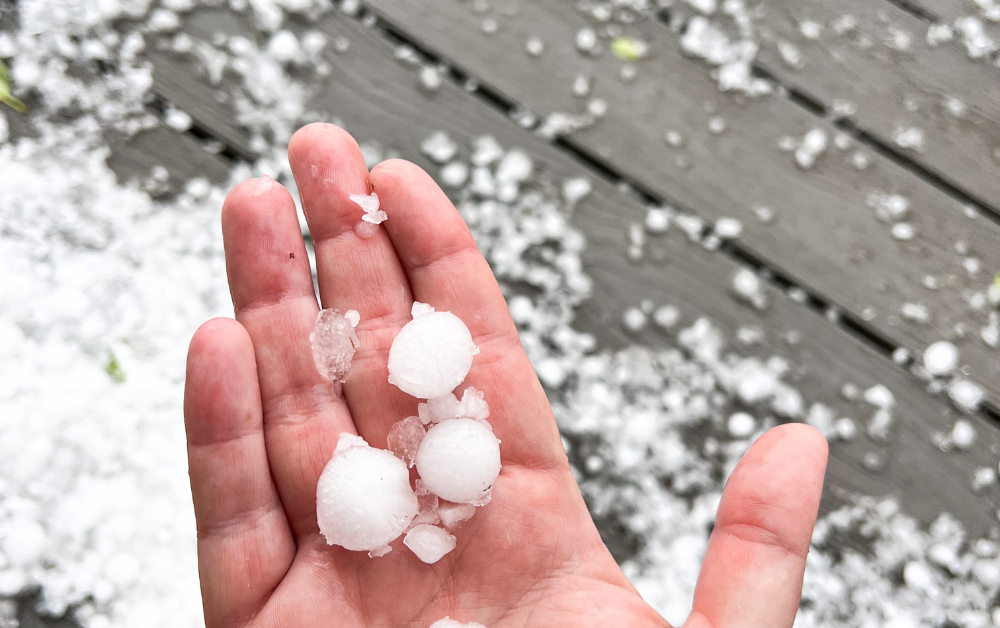
- Hailstones on the ground with a coin beside them for size reference before they melt
Build your supporting file:
- Take wide shots of every side of your home, then close-ups of each damage area
- Photograph your address alongside a date indicator (newspaper or phone screen) to establish a timeline
- Save weather reports and severe storm alerts for your area — the National Weather Service archives these, and they serve as independent verification of the event
Pre-storm photos are more valuable than most homeowners realize. Images from a previous inspection, real estate listing, or even a casual photo showing your roof in the background establish a baseline proving the damage is new. Without them, adjusters can argue that existing wear contributed to the condition.
Mistakes That Weaken Your Claim
Certain errors give insurance companies a reason to reduce payouts or deny claims outright.
- Waiting too long to file. Most policies require claims within a year, but insurers push back on claims filed more than 60 to 90 days after a storm. File within days, not weeks.
- Making permanent repairs before the adjuster visits. Temporary tarping is fine and expected, but replacing damaged shingles removes the evidence you need.
- Throwing away damaged materials. If any components are removed before inspection, keep them. Adjusters may want to examine removed shingles or flashing in person.
- Accepting the first estimate without question. Initial adjuster estimates are often conservative. You have the right to a re-inspection, and supplemental claims are a normal part of the process when additional damage surfaces.
Why a Roofing Contractor Strengthens Your Claim
Insurance adjusters spend 30 to 45 minutes on a typical roof inspection. A roofing contractor who specializes in storm damage performs a far more thorough evaluation and knows where adjusters commonly miss findings.
How a contractor supports the process:
- Produces a professional damage report with close-up photos, measurements, and descriptions matching insurance documentation standards
- Identifies damage to components adjusters frequently overlook — ridge caps, starter strips, pipe boot seals, and drip edge flashing
- Meets the adjuster on-site during inspection to walk through findings together, ensuring nothing gets skipped
- Provides line-item repair estimates using industry-standard pricing software that insurance companies recognize
A contractor who handles storm damage regularly understands the difference between cosmetic and functional damage — and knows which category determines whether your claim gets approved.
One important note: a reputable contractor will never ask you to sign over your claim or guarantee approval. If someone offers to cover your deductible or promises a specific outcome, walk away.
The Bottom Line: Your Claim Protection Checklist
- Document everything immediately — photos with scale references, wide and close-up shots, saved weather data
- File your claim within days, not weeks
- Do not make permanent repairs before the adjuster inspects
- Schedule a professional inspection with a local contractor before or alongside the adjuster visit
- Request a re-inspection if the initial estimate seems low
- Keep all damaged materials until the claim is fully settled
Your policy exists to cover storm damage. Using it correctly isn’t gaming the system — it’s protecting the investment you’ve been paying premiums on for years.
Next Steps
If you’ve experienced a recent hailstorm and need help documenting damage or navigating the claims process, start with a professional inspection from a contractor who knows what adjusters look for.
Conner Roofing has guided thousands of St. Louis homeowners through hail damage claims over the past 30 years. Call (314) 375-7475 or visit connerroofing.com/contact-us to schedule a free storm damage assessment.